John William McDonald: Eartha Kitt's Husband, Military Career, and Family Life
The documented biography of the decorated Korean War veteran, Los Angeles real estate investor, and father of Kitt Shapiro.

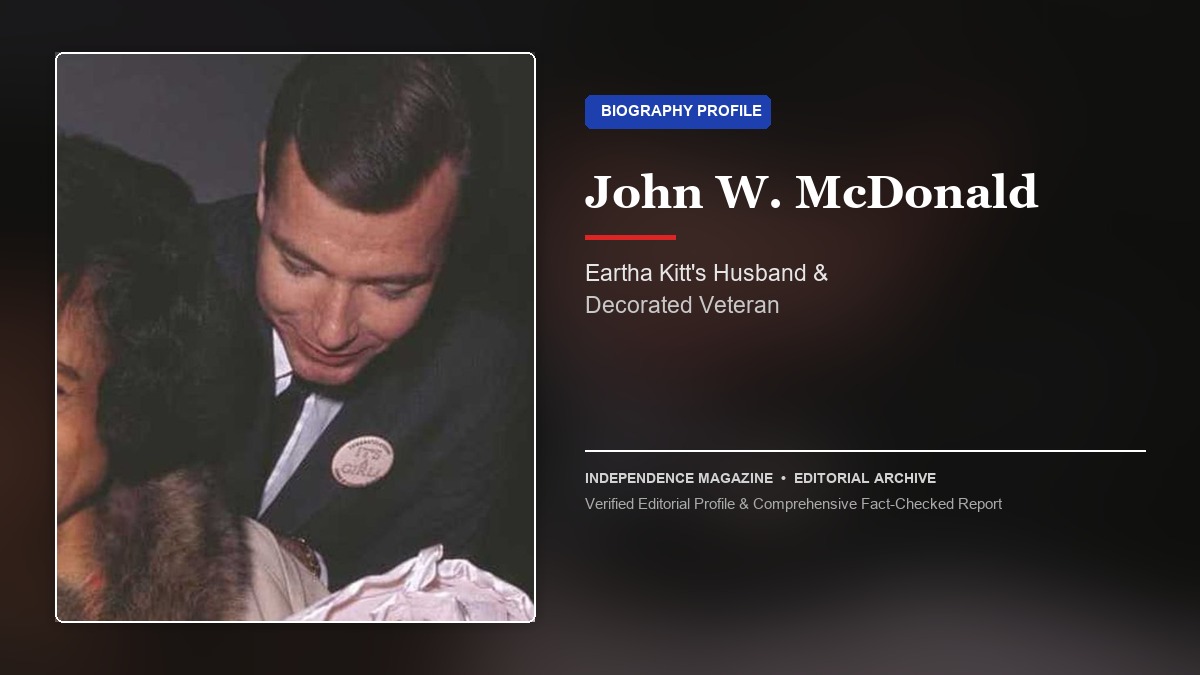
John William McDonald was an American real estate executive, accounting specialist, and decorated U.S. Army veteran of the Korean War, best known as the husband of iconic entertainer Eartha Kitt from 1960 to 1965. McDonald gained national prominence during their high-profile interracial marriage and is the father of their only child, author and lifestyle entrepreneur Kitt Shapiro.
In mid-twentieth-century America, public curiosity intensely followed the private lives of celebrated stage and screen stars. While Eartha Kitt dominated Broadway, television, and international concert venues with her distinctively sultry vocal delivery and fierce charisma, the man beside her remained an intriguing figure of resilience and quiet professional determination.
McDonald's life represents an important intersection of mid-century military service and modern American cultural history. His dedicated service as a wounded Marine veteran and his commitment to raising his daughter Kitt Shapiro away from tabloid pressure remain enduring testaments to personal integrity and quiet strength.
Early Life, Academic Training, and Korean War Bravery
Born into an American family of modest commercial standing, John William McDonald demonstrated a keen mind for mathematics and civic discipline from an early age. Pursuing studies in accounting and commercial finance, his trajectory was dramatically interrupted by the geopolitical escalation of the Korean War during the early 1950s.
Drafted into military service, McDonald joined the United States Army and was deployed overseas to the front lines of the Korean peninsula. Combat conditions tested his resolve under brutal winter warfare and heavy artillery exchanges. Assigned to infantry logistics and reconnaissance operations, McDonald faced intense combat situations where unit cohesion was paramount. During an intense artillery barrage, McDonald sustained severe shrapnel wounds and trauma injuries that required emergency battlefield triage, followed by medical evacuation to Japan and eventual extended surgical reconstruction at military convalescent centers.
For his gallantry, resilience, and injuries suffered in active defense of his comrades, McDonald was decorated with the Purple Heart alongside Korean Service campaign commendations. The lingering physical effects of his wartime wounds—including recurring nerve pain and musculoskeletal restrictions—accompanied him throughout his civilian life, shaping his perspective, physical resilience, and daily habits.
Civilian Transition and Real Estate Success in Southern California
Following his honorable discharge and rehabilitative treatment, McDonald relocated to the expanding post-war economy of Southern California. Leveraging his accounting background and financial acumen, he transitioned into commercial real estate development, property management, and land investment throughout Los Angeles County.
During the late 1950s, Southern California experienced an unprecedented suburban and commercial boom. Postwar population migration spurred demand for housing developments across the San Fernando Valley and commercial retail strips throughout West Los Angeles. McDonald’s firm established fruitful associations with regional contractors, investment syndicates, and residential subdivisions. Friends and colleagues described him as a soft-spoken, methodical businessman who preferred balance sheets and property blueprints over the flamboyant nightlife of the Los Angeles social scene.
Meeting Eartha Kitt and Their Historic 1960 Marriage
In late 1959, McDonald crossed paths with Eartha Kitt through mutual entertainment and business acquaintances in Los Angeles. Kitt was already a towering global phenomenon: renowned for her definitive recordings of "Santa Baby" and "C'est Si Bon," her starring roles in Broadway’s New Faces of 1952 and Shinbone Alley, and her acclaim in Hollywood motion pictures.
Behind the glittering public spotlight, Kitt harbored deep longings for domestic stability, personal safety, and a grounded family life—desires stemming from a childhood marked by extreme poverty and abandonment in rural South Carolina. McDonald’s grounded presence, quiet humor, and war-tested maturity offered a stabilizing contrast to the unpredictable demands of show business. On June 6, 1960, the couple wed in an intimate ceremony at Kitt’s home in Hollywood, California.
Occurring seven years prior to the Supreme Court's landmark 1967 Loving v. Virginia ruling which struck down state-level anti-miscegenation statutes, their marriage as an interracial couple commanded immense public scrutiny. Tabloid reporters and conservative commentators frequently challenged their union, yet Kitt publicly championed her right to love freely, declaring that love and mutual respect knew no boundaries of race or public opinion. Respectful African-American publications such as Jet and Ebony highlighted McDonald's genuine affection for Kitt and his respectful defense of their family privacy.
The Birth of Kitt Shapiro and Domestic Pressures
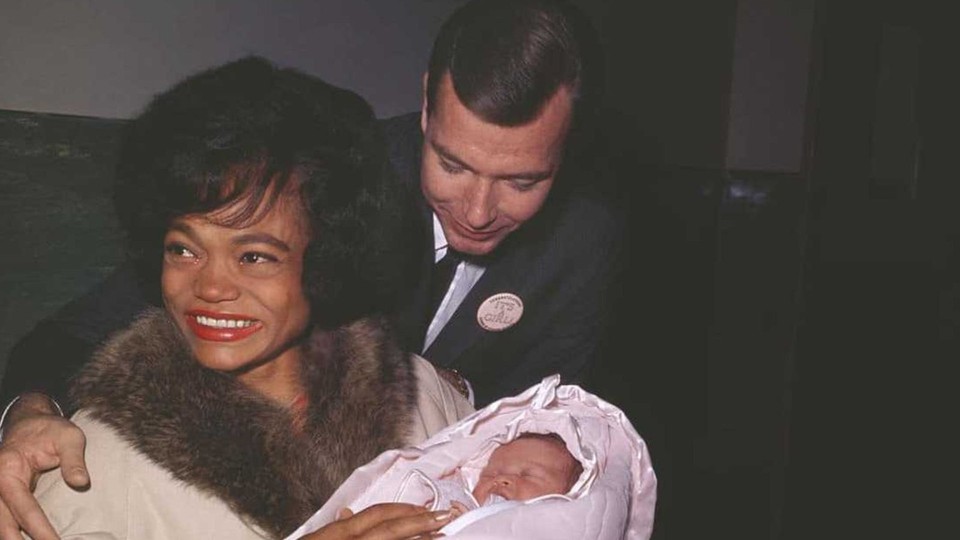
On November 26, 1961, their domestic happiness reached its apex with the birth of their daughter, named Kitt McDonald (now Kitt Shapiro). The arrival of their child brought profound joy to both parents, with McDonald proudly donning commemorative pins and participating warmly in newborn family portraits. McDonald delighted in his role as a father, spending quiet weekends at their Hollywood Hills home teaching his daughter early games and creating a peaceful sanctuary away from tour schedules.
However, the strain of divergent lifestyles soon began testing their marital foundation. Kitt's relentless international touring schedule required prolonged stays in European concert halls, Australian nightclubs, and Broadway engagements. McDonald’s commercial real estate ventures demanded full-time presence in California. Moreover, McDonald continued battling severe chronic pain stemming from his wartime combat injuries, which created personal friction during long separations. In 1965, after five years of marriage, the couple finalized an amicable divorce, with Kitt retaining primary custody while McDonald maintained visitation rights.
Later Life and the Enduring Legacy Through Kitt Shapiro
Following their legal separation, McDonald intentionally withdrew from public scrutiny, returning to independent commercial endeavors and quiet private living in Southern California. Unlike many celebrity former partners who capitalized on tell-all memoirs or sensational press interviews, McDonald preserved dignity and discretion, never speaking disparagingly of Kitt or their time together. He remained an occasional, caring presence in his daughter’s life, visiting during school holidays and celebrating her milestones.
Their daughter, Kitt Shapiro, grew into an accomplished businesswoman, author, and public speaker who manages her mother’s extensive artistic estate and authorial legacy. In her 2021 memoir Eartha & Kitt: A Daughter's Love Story in Black and White, Shapiro reflected with warmth and honesty on her parentage, acknowledging both her mother’s incandescent greatness and her father’s complex, war-scarred humanity. McDonald’s place in history remains inextricably bound to an era of courage, transition, and quiet integrity.
Frequently Asked Questions
John William McDonald was an American real estate investor, accounting executive, and decorated Korean War U.S. Army veteran who was married to legendary performer Eartha Kitt from 1960 to 1965.
They had one child together: daughter Kitt McDonald (now Kitt Shapiro), born on November 26, 1961, who manages Eartha Kitt's estate and legacy brands.
McDonald received the Purple Heart alongside Korean Service campaign medals after sustaining severe shrapnel wounds during frontline combat engagements in the Korean War.
They were married on June 6, 1960, in a private ceremony held at Eartha Kitt's residence in Hollywood, California.
Their 1965 divorce was precipitated by long separations due to Kitt's demanding international performance tours, coupled with McDonald's career commitments and chronic pain issues from his military service.
He worked as a commercial accountant and real estate investment specialist, developing residential and commercial properties across Southern California.
In her memoir, Kitt Shapiro described her father as a loving, gentle, and complex man whose life had been profoundly impacted by wartime injuries, but who always retained deep love for his daughter.
Because it took place seven years before the Supreme Court's Loving v. Virginia decision, their interracial marriage drew intense media curiosity, which both partners handled with quiet dignity and mutual devotion.
Related Biographies & Recommended Reads
Marcus Vance
Marcus Vance specializes in archival biographical retrospectives, military histories, and family genealogies of prominent mid-century and modern figures.